



 Parks and outdoors
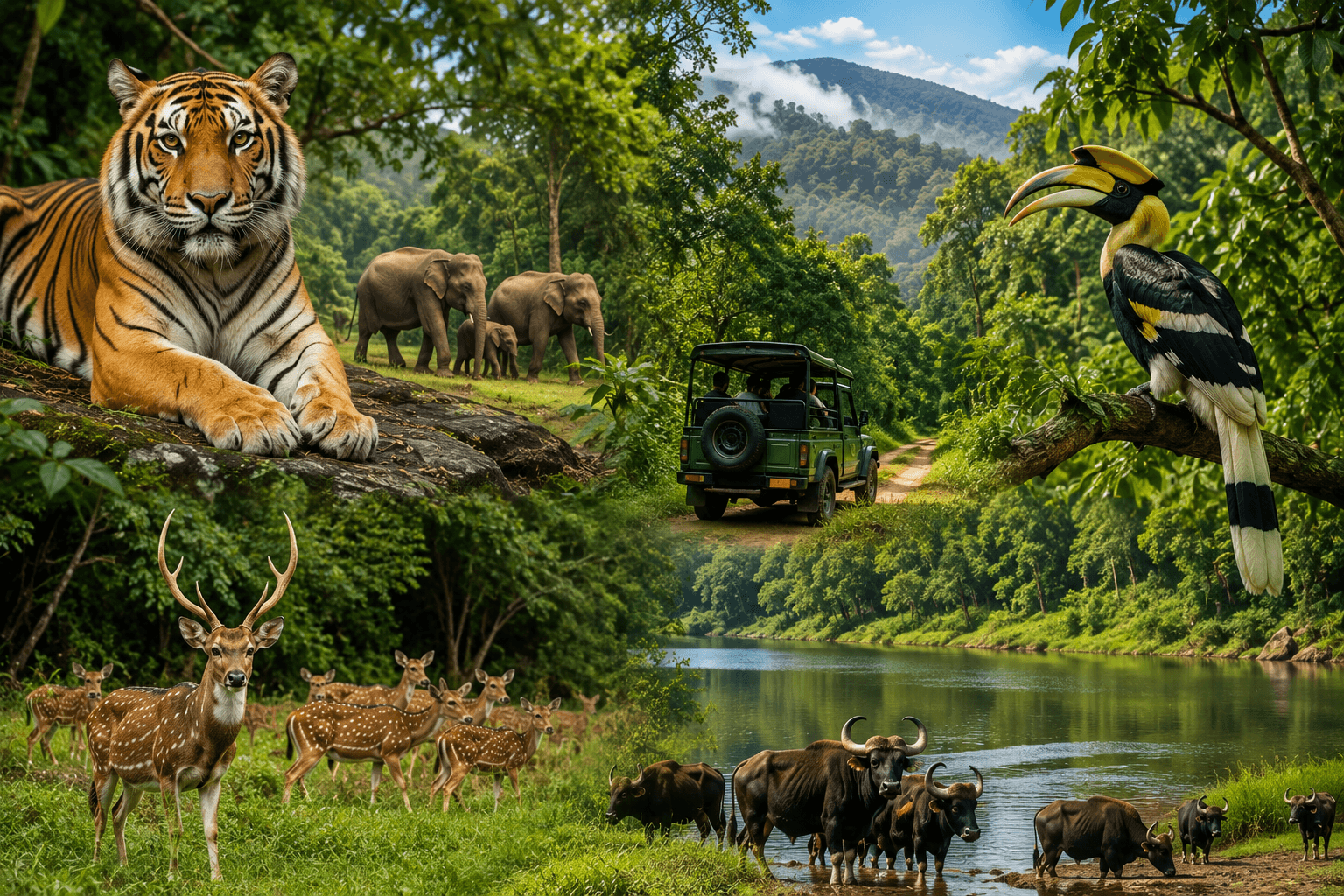
Local green travel setups and conservation projects yield great rewards when searching for Wildlife Sanctuaries You Must Visit in Kerala. These protected wilderness patches offer rare sights of wild elephants, hidden tigers, and local animals like the Nilgiri tahr. A visit here grants a clear view of real conservation work happening across Southern India.
Top Wildlife Sanctuaries You Must Visit in Kerala
This handpicked list points to the reserves hosting the most diverse animal life and reliable tracking opportunities. Each spot displays a unique habitat, ranging from wet evergreen canopies to dry deciduous brushlands.
| Sanctuary | Key Species | Best Time to Visit |
|---|---|---|
| Periyar Tiger Reserve | Bengal Tiger, Asian Elephant, Lion-tailed Macaque | October to February |
| Wayanad Wildlife Sanctuary | Asian Elephant, Leopard, Indian Gaur | October to May |
| Chinnar Wildlife Sanctuary | Grizzled Giant Squirrel, Star Tortoise | December to April |
| Parambikulam Tiger Reserve | Bengal Tiger, Indian Gaur, Nilgiri Langur | November to April |
Periyar Tiger Reserve
Periyar stands as the most famous protected space in the state, covering over 925 square kilometers of thick mountain terrain. Travelers wanting a mix of boat safaris and deep woods will find that Periyar tops the list of Wildlife Sanctuaries You Must Visit in Kerala. The central lake serves as a safe spot to watch wild elephant herds drinking by the water edge.
You can book guided forest patrols, night walks, and bamboo rafting trips led by native woodsmen. The reserve protects healthy numbers of Bengal tigers, Indian gaurs, and rare lion-tailed macaques. Early morning boat trips give photographers and birdwatchers the finest natural light.
Wayanad Wildlife Sanctuary
Wayanad forms a key part of the Nilgiri Biosphere Reserve and remains a favorite for nature lovers. Divided into two main tourist zones called Muthanga and Tholpetty, it ranks as one of the premier Wildlife Sanctuaries You Must Visit in Kerala. Its physical layout forms a vital path for seasonal elephant movement.
Spotting Asian elephants feeding near the path is common during local jeep rides. These dry deciduous woods also house leopards, jungle cats, wild dogs, and over 200 bird species. Taking a morning trip increases your odds of spotting predators before midday heat forces them into deep shade.
Chinnar Wildlife Sanctuary
Due to its rain-shadow position, Chinnar stands out among the Wildlife Sanctuaries You Must Visit in Kerala. Resting in the Idukki district, this dry sanctuary receives little rainfall compared to western zones, creating a thorny scrub woodland. This parched setting hosts specialized animals adapted to dry conditions.
The park is known for keeping the rare grizzled giant squirrel safe, which nests along the Chinnar and Pambar rivers. Hikers can traverse the rough terrain on foot with forest guards to see ancient burial chambers and rock art. Star tortoises and mugger crocodiles also thrive in these dry lands.
Parambikulam Tiger Reserve
If you want to track tigers in untouched bamboo groves, Parambikulam is a grand forest reserve to choose. It runs a community-led green travel program that hires native tribe members as guides and forest guards. The reserve also boasts the oldest and largest living natural teak tree on earth, the Kannimara Teak.
Walking through this peninsula-shaped park lets you watch massive herds of gaurs grazing in open fields. The surrounding forest and lake draw many birds, including the majestic great hornbill and the darter. Booking an overnight stay in the forest department’s island tents provides a deep woodland stay under the leafy canopy.
Key Conservation Zones and Hidden Wilderness
Outside the famous parks lie smaller protected woods offering quiet settings and special homes for native species. These spots deliver quiet animal viewings far from the usual tourist crowds.
Neyyar Wildlife Sanctuary
Neyyar features a crocodile breeding center and a lion safari, cementing its spot among the Wildlife Sanctuaries You Must Visit in Kerala. The park stretches from the Neyyar Dam water up to the high Agasthyakoodam peak, forming a sharp rise in elevation. This steep climb lets diverse forest types flourish in a compact zone.
The crocodile center has raised muggers to help restock local waters. You can take a boat across the lake to visit the lion safari park on a wooded island. These hills also shelter the rare Nilgiri tahr and the small, hidden Nilgiri wood pigeon.
Aralam Wildlife Sanctuary
Aralam sits as the northernmost wildlife park in the state, sporting quiet slopes covered in semi-evergreen woods. The land rises to 1,145 meters at Amruthamveli peak, presenting tough hikes for seasoned trekkers. It acts as a major breeding spot for thousands of migrating butterfly species each year.
Deer, wild pigs, and elephants roam Aralam’s lower slopes while deep valleys hide Hanuman langurs. The area remains mostly untouched by mass tourism, making it perfect for quiet forest walks. Rangers lead day hikes to the Meenmutty waterfalls hidden deep in the core zone.
Planning Your Wilderness Expedition
Entering these delicate ecosystems demands careful prep to stay safe and protect the wilderness. The Kerala Forest Department enforces strict laws on plastics, entry hours, and tourist behavior in all reserves.
- Get your safari passes online from the official forestry website to book your entry slot.
- Dress in quiet earth tones like green, brown, or grey to blend in and keep the animals calm.
- Bring reusable steel bottles since single-use plastics are totally banned inside the reserves.
- Employ local trackers to learn more about animal movements and local flora.
Best Seasons for Wildlife Spotting
- October to February brings cool days and active animals across most hill reserves.
- March to May brings dry weather that draws animals to the few remaining water pools.
- June to September brings heavy rains that feed the lush greenery but close down safaris.
Essential Gear to Pack
- Strong binoculars to see birds and mammals high up in the tree canopy.
- Bug spray with natural oils to keep leeches and mosquitoes away during forest walks.
- Tough trail boots with solid grip to handle wet rocks and muddy paths safely.
Responsible Travel in Sensitive Ecosystems
Keeping these dense habitats safe demands care from every traveler who enters the woods. Human activity easily upsets nesting birds, migration paths, and natural hunting balances.
Leaving trash, playing music, and feeding wildlife are banned actions that bring heavy fines. Keeping to marked paths stops soil wear and saves fragile plants from getting crushed. Choosing community-run lodges ensures your travel money goes straight to forest restoration and anti-poaching patrols.
Preserving the Wild
Wandering through these wild forests links you deeply with the natural legacy of the Western Ghats. Planning around the Wildlife Sanctuaries You Must Visit in Kerala creates a balanced trip of adventure, conservation, and quiet beauty. Every trip into these woods helps back the tireless work to protect India’s wildlife for years to come.


Comments are closed